Rachel Springall, Finance Expert at Moneyfacts, said:
“Lenders were somewhat forced to U-turn on fixed rate cuts in July, knocking back the short-lived progress of three consecutive months of reductions to the average two- and five-year fixed rates. The Moneyfacts Average New Mortgage Rate rose by 0.12%, from 5.47% in July to 5.59% at the start of August, reversing the prior monthly cut. Persistent concerns over the future outlook of interest rates led to swap rate volatility, driven by unrest in the Middle East. The prolonged conflict has driven up oil and energy prices, raising inflationary fears which could in turn lead to future Base Rate increases by the Bank of England.
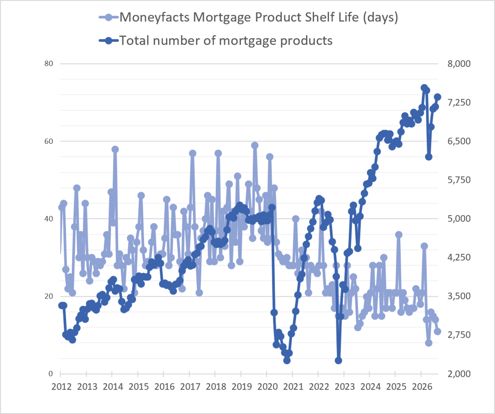
“Due to the swift action of lenders to re-price their ranges last month, the average shelf-life of a mortgage dropped to 11 days, now its lowest recorded since April, when mortgage turmoil pushed the lifespan of a mortgage down to just eight days. The limited timeframe makes it ever more essential to seek advice early, particularly those who are due to remortgage this year. Borrowers could choose to refinance with their existing lender for ease, but it’s always wise to shop around first to get a sense of the new rates on offer, particularly if coming off a low-rate deal. According to the Bank of England, 750,000 households with a fixed rate set to expire in 2026 are currently paying rates below 3% and are expected to face an average repayment increase of around £170 per month. Waiting too long to secure a new deal could be an expensive mistake, as the average revert rate is above 7%.
“In positive news, mortgage product availability rose for a fourth consecutive month, with 90% of deals returning since the mass withdrawals seen between March and April. This includes increased choice across selected higher loan-to-value tiers, such as at 95% and 90% LTV. There is always more room for improvement to the choice of deals in this sector, especially to draw in new business from first-time buyers, who remain the lifeblood of the mortgage market. After a significantly volatile few months, it will be vital for lenders to tailor their ranges to cater to demand and support existing customers, such as tweaking affordability criteria or offering upfront cost-saving packages.”
Rachel Springall, Finance Expert at Moneyfacts, said:
“Lenders were somewhat forced to U-turn on fixed rate cuts in July, knocking back the short-lived progress of three consecutive months of reductions to the average two- and five-year fixed rates. The Moneyfacts Average New Mortgage Rate rose by 0.12%, from 5.47% in July to 5.59% at the start of August, reversing the prior monthly cut. Persistent concerns over the future outlook of interest rates led to swap rate volatility, driven by unrest in the Middle East. The prolonged conflict has driven up oil and energy prices, raising inflationary fears which could in turn lead to future Base Rate increases by the Bank of England.
“Due to the swift action of lenders to re-price their ranges last month, the average shelf-life of a mortgage dropped to 11 days, now its lowest recorded since April, when mortgage turmoil pushed the lifespan of a mortgage down to just eight days. The limited timeframe makes it ever more essential to seek advice early, particularly those who are due to remortgage this year. Borrowers could choose to refinance with their existing lender for ease, but it’s always wise to shop around first to get a sense of the new rates on offer, particularly if coming off a low-rate deal. According to the Bank of England, 750,000 households with a fixed rate set to expire in 2026 are currently paying rates below 3% and are expected to face an average repayment increase of around £170 per month. Waiting too long to secure a new deal could be an expensive mistake, as the average revert rate is above 7%.
“In positive news, mortgage product availability rose for a fourth consecutive month, with 90% of deals returning since the mass withdrawals seen between March and April. This includes increased choice across selected higher loan-to-value tiers, such as at 95% and 90% LTV. There is always more room for improvement to the choice of deals in this sector, especially to draw in new business from first-time buyers, who remain the lifeblood of the mortgage market. After a significantly volatile few months, it will be vital for lenders to tailor their ranges to cater to demand and support existing customers, such as tweaking affordability criteria or offering upfront cost-saving packages.”